



Table of Contents
Emergencies often unfold without warning, creating moments of uncertainty, fear and disruption. Whether caused by natural disasters, public health crises or large-scale accidents, these events can overwhelm individuals and communities. In such situations, coordinated action becomes one of the most critical elements in ensuring safety, stability and recovery. When people, organisations and authorities work together in a structured and unified way, the response is faster, more efficient and ultimately more effective.
Creating Clarity in Times of Chaos
During an emergency, confusion can quickly spread. People may struggle to understand what is happening, what steps to take or where to find help. Coordinated action helps bring clarity by establishing clear roles, communication channels and priorities. When responders operate within a shared framework, they can provide consistent guidance that reduces panic and supports informed decision-making.
This clarity is essential not only for emergency personnel but also for the public. When individuals receive accurate, timely updates from trusted sources, they are more likely to follow safety instructions and take appropriate precautions. As a result, coordinated communication can prevent misinformation from escalating already stressful circumstances.
Maximising the Impact of Resources
Resources such as medical supplies, transportation, shelter and skilled personnel are often limited during emergencies. Without coordination, these resources can be misallocated or duplicated in some areas while others remain underserved. Effective planning and collaboration ensure that aid is directed where it is needed most.
For example, relief organisations working in partnership can avoid overlapping efforts and instead focus on filling gaps in service. By sharing data and aligning strategies, they improve overall efficiency and make the best possible use of available support. This approach strengthens outcomes for communities facing the challenges of crisis and recovery.
Strengthening Community Resilience
Coordinated action does more than address immediate needs; it also builds long-term resilience. When communities see leaders, volunteers and agencies working together, it fosters a sense of unity and trust. People are more likely to participate in preparedness initiatives and contribute to recovery efforts when they feel part of a collective response.
Training programmes, emergency drills and collaborative planning sessions can help communities prepare before disaster strikes. These proactive measures enable faster, more confident responses when emergencies occur. In turn, coordinated preparation reduces long-term disruption and helps communities recover more quickly.
Supporting Vulnerable Populations
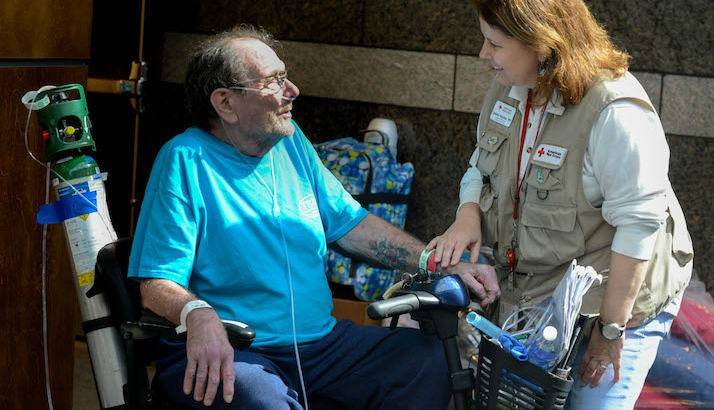
Emergencies often impact vulnerable populations more severely, including older adults, children, people with disabilities and those facing economic hardship. Coordinated action ensures that these groups are not overlooked. By identifying at-risk individuals in advance and developing targeted response plans, organisations can provide timely assistance that protects health and well-being.
This level of support may include accessible shelter options, specialised medical care or transportation services. It may also involve connecting families with trusted resources for disaster relief and response so they can access immediate help and begin the path towards recovery. When these efforts are organised and inclusive, they reduce disparities and promote equitable outcomes during crises.
Enhancing Recovery and Rebuilding Efforts
The importance of coordinated action does not end when the immediate danger passes. Recovery and rebuilding require sustained collaboration among government agencies, nonprofit organisations, businesses and local residents. By aligning their goals and sharing expertise, these groups can address complex challenges such as infrastructure repair, economic stabilisation and emotional support services.
A coordinated approach also encourages innovation. When diverse stakeholders contribute ideas and resources, they can develop creative solutions that strengthen communities for the future. This might include rebuilding safer housing, improving emergency communication systems or investing in programmes that support mental health after traumatic events.
Moving Forward Together
Emergencies test the strength and adaptability of communities. While no response can eliminate every hardship, coordinated action significantly improves the chances of saving lives, protecting property and restoring normalcy. Through shared planning, effective communication and mutual support, people can navigate crises with greater confidence and compassion.
Ultimately, coordination transforms isolated efforts into a powerful collective response. By recognising the value of collaboration and investing in preparedness, communities can face emergencies with resilience and determination, ensuring that recovery is not only possible but sustainable.