



Table of Contents
The secret to effortless style often starts from the ground up—literally. Shoes are the foundation of any outfit, serving as a functional and visual anchor. Selecting shoes that serve both your weekday needs and weekend adventures makes a world of difference in your overall wardrobe. Investing in the right pair of shoes can transform your look, boost your confidence, and save you money in the long run. Whether you prefer a minimalist closet or revel in mixing and matching bold pieces, owning versatile footwear guarantees you’ll always have the right pair ready for any occasion. When searching for casual shoes for men, it’s essential to focus on fashion and practicality to ensure maximum use and comfort.
Table of Contents
- Prioritize Comfort and Fit
- Opt for Neutral Colors
- Choose Classic Styles
- Consider Material Quality
- Evaluate Sole Construction
- Think About Seasonal Versatility
- Assess Maintenance Requirements
- Test for Versatility
Modern style demands shoe options that easily cross the line between casual and dressy. A well-chosen pair not only complements outfit after outfit but also adapts to a wide range of social situations—from dinners with friends, networking events, and weekend hikes to business meetings and outdoor events. With evolving trends and busier lifestyles, picking multipurpose shoes is a smart strategy that keeps you feeling prepared and confident throughout the year, reducing clutter and simplifying your daily choices. Versatile shoes mean fewer but better decisions, freeing up your time and mental energy for more important things.
Prioritize Comfort and Fit
It can be tempting to purchase shoes purely for their appearance, but comfort should always be your main focus. Shoes that look fantastic but pinch, rub, or compress your feet will quickly become forgotten relics at the back of your closet. Ill-fitting shoes not only cause immediate discomfort but can also result in long-term issues such as blisters, calluses, misalignments, and even chronic joint pain over time. Make it a habit to try on shoes in the afternoon when your feet are slightly swollen—this gives you the most accurate gauge of fit. Confirm there’s enough room for your toes to wiggle, solid arch support to reduce fatigue, and a stable heel to prevent slippage. Supporting the arches and ensuring a snug heel prevents fatigue and pain over time. It’s wise to walk around the store or your home for several minutes to test their comfort before committing.
Opt for Neutral Colors
The most adaptable shoes come in versatile, understated shades—think black, various browns, gray, navy, or tan. Neutral colors effortlessly complement most wardrobes by harmonizing with bright and muted outfits, allowing you to craft cohesive looks with less thought and effort. Choosing these tones lets you transition from office meetings to after-hours gatherings, from weddings to casual brunches, without a second thought or the urge to change shoes. For those aiming for maximum flexibility, a single pair of neutral-toned shoes can serve countless looks and occasions throughout the year, drastically increasing the overall utility of your wardrobe. Incorporating neutral shoes means fewer style headaches and more functional, put-together outfits for any scenario.
Choose Classic Styles
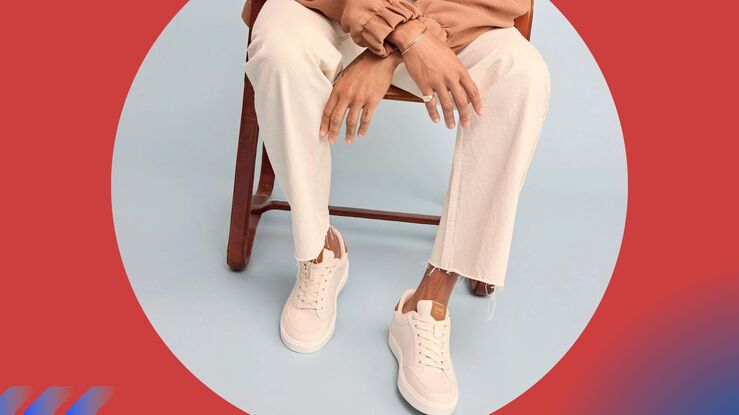
Timeless designs such as loafers, Oxfords, Chelsea boots, and minimalist sneakers remain reliable, regardless of ever-changing fashion fads. Classic silhouettes are easy to dress up or down and tend to age gracefully, maintaining appeal better than fleeting trends. For example, sleek brown loafers pair well with business suits or jeans, making them suitable for everything from formal work functions to laid-back dinners. Oxfords bridge formal and semi-formal outfits, while crisp white sneakers offer a fresh balance of style and comfort in casual settings, suitable for travel, leisure, and even some workplaces. Investing in iconic shapes ensures you always have appropriate footwear for any event, supporting your long-term style and making your wardrobe feel more coordinated.
Consider Material Quality
High-quality materials don’t just look and feel superior—they also extend the lifespan of your shoes, making them a worthwhile investment. Leather is a prime example: it naturally adapts to your foot’s shape over time, becoming even more comfortable with each wear, and when properly cared for, it develops a rich patina that adds personality to your shoes. Durable canvas, suede, and well-manufactured synthetics are also worth considering, especially if you’re mindful of weather conditions and lifestyle choices. Shoes constructed with strong, quality materials tend to maintain their structure and support, resisting the wear and tear that leads to premature replacement. Premium materials may demand a higher price upfront, but the long-lasting benefits and timeless appearance usually justify the investment, saving you money in the long run.
Evaluate Sole Construction
A shoe’s sole massively influences its comfort, functionality, and overall purpose. When browsing options, check if the sole provides good traction, appropriate cushioning, and enough flexibility to support your lifestyle. Rubber soles are excellent for grip and shock absorption, making them ideal for busy urban environments, travel, and casual day-to-day use. Leather soles, on the other hand, are sleek and sophisticated, often used for formal wear and office settings. In addition to materials, pay attention to how firmly the sole is attached to the upper part of the shoe—well-stitched or welted soles usually offer more durability than glued options. Consider where you’ll spend the most time, and match your sole construction to that environment for the best results, ensuring your shoes last longer and serve you well.
Think About Seasonal Versatility
Shoes that suit multiple seasons maximize your wardrobe’s efficiency and reduce unnecessary spending. For instance, ankle boots are a great pick for both chilly autumn strolls and brisk winter days, offering protection, warmth, and style. Stylish low-top sneakers and slip-ons excel in spring and summer but can pair with socks for milder autumn days, providing versatility and ease. Opt for designs and materials that withstand seasonal changes—like water-resistant leather or breathable fabrics—ensuring your investment serves you year-round. Water repellent and insulated options are especially worthwhile if you live in an area with wet winters or snowy conditions.
Assess Maintenance Requirements
The easier a shoe is to clean and care for, the more wearable it becomes—and the more likely it is to stay in regular rotation. Consider shoes with pre-treated leather or suede, as they resist moisture and stains, reducing the amount of effort you need to maintain a sharp appearance. Regular care, such as brushing off dirt, using special cleaners, or storing shoes with cedar inserts to absorb moisture and retain shape, can lengthen their life and freshness. Shoes that weather spills, rain, dust, and everyday grime with minimal fuss are best for men looking for style and practicality. Selecting low-maintenance materials and finishes allows you to keep your shoes looking new with less time and energy.
Test for Versatility
Before making a new purchase, imagine how the shoe matches different outfits in your wardrobe. Ask yourself: Can you confidently wear them to work, for a night out, and on casual weekends? Do they go well with dress pants, jeans, chinos, and even shorts? A truly versatile pair should suit multiple styles and easily transition between different parts of your life, from the office to weekend outings. Versatility isn’t just about how they look—consider how a shoe fits into your daily routine and personal style. If you can see yourself wearing them for many occasions and outfits, you’re heading in the right direction.