



Table of Contents
Key Takeaways
- Rusty or tinted water usually indicates internal corrosion in the heater tank.
- Odd noises, such as tank banging, are commonly caused by sediment buildup.
- Leaks around the heater’s base typically indicate tank failure or deterioration.
- Fluctuating water temperature often signals a faulty heating element or thermostat issue.
- An old water heater (more than 10 years old) is much more likely to fail unexpectedly.
Hot water is a staple for comfortable daily living, from morning showers to evening dishwashing. When your water heater starts to fail, it can disrupt your routine and even put your home at risk of water damage. For homeowners seeking reliable solutions, understanding the key signs your water heater needs attention and knowing where to turn for professional Toronto hot water tank installation is crucial.
Water heaters are often out of sight and out of mind until problems arise. Recognizing the earliest indicators of trouble can save you from sudden breakdowns and expensive repairs. Whether your water is discolored or your energy bills are creeping higher each month, identifying these warning signs can help you decide if it’s time for a replacement or a professional assessment.
As you observe potential warning signs, it’s helpful to know that water heater issues are a common household problem. According to CBC News, water tank leaks can cause significant water damage if left unaddressed, underscoring the importance of prompt maintenance or replacement.
Rusty or Discolored Water
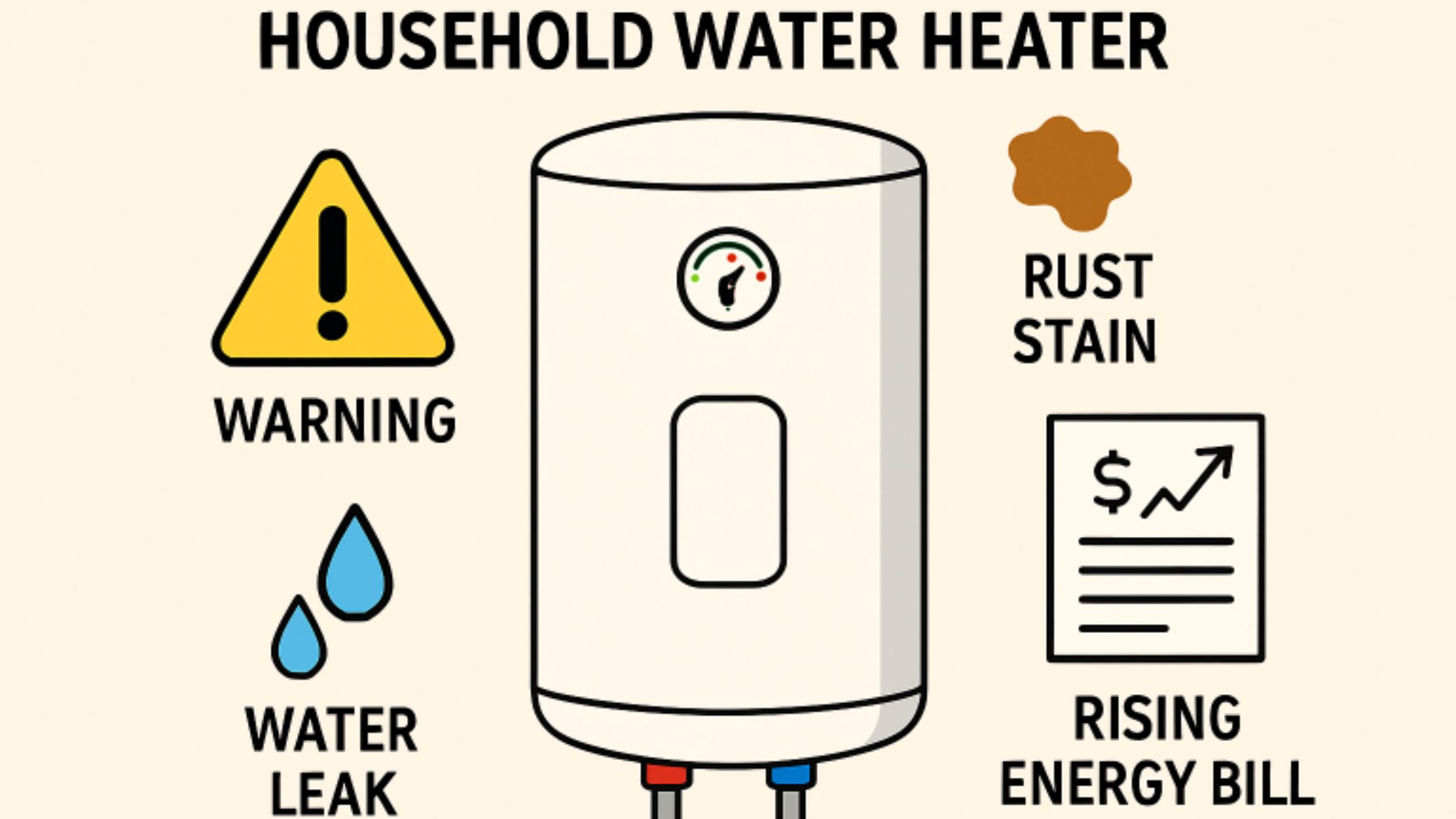
If rusty, brown, or reddish water comes from your hot water tap, this is often a sign of corrosion inside the tank. Over time, this internal rust can weaken the tank, cause leaks, and make your water unsafe to drink. According to American Home Shield, the presence of rust in your water is a telltale sign that your water heater’s interior is deteriorating.
Unusual Noises from the Tank
Banging, rumbling, or popping noises coming from your water heater are red flags. These sounds usually occur because sediment from the water settles and hardens at the bottom of the tank, reducing heating efficiency. The strain of heating through built-up minerals can crack the tank and cause leaks over time. If regular maintenance, such as flushing the system, doesn’t eliminate the noise, it may be time to consider replacement. Further insights on this issue are available via American Home Shield, which identifies unusual noises as a key warning sign.
Leaks Around the Water Heater
Pooling water or visible leaks near the base of your heater are emergency signs. Cracks or fractures caused by metal’s expansion and contraction often result in slow but persistent leaks. Even minor leaks can escalate into significant flood damage if ignored. Prompt professional assessment is crucial if you notice any moisture or puddles around your system. Home safety experts at Wirecutter, a New York Times publication, also emphasize the importance of addressing household water leaks before they cause extensive property damage.
Inconsistent Water Temperature
If your hot water temperature fluctuates or runs out rapidly, your water heater’s internal thermostat or heating element may be failing. Another culprit is excessive sediment that acts as a barrier between the water and the heating elements, reducing efficiency and output. If simple thermostat adjustments do not resolve the problem, a professional evaluation or replacement may be necessary. Consistent hot water is crucial for comfort and safety, so ignoring this issue is not advisable.
Age of the Water Heater
Most traditional water heaters last between 8 and 12 years. After the decade mark, the chances of failure increase significantly, especially if the unit hasn’t received regular maintenance. Upgrading an aging unit before it breaks down can improve your home’s energy efficiency and reduce the risk of leaks or water damage. ENERGY STAR® recommends replacing units over 10 years old to prevent future complications.
Low Water Pressure
When hot water comes out of your taps with noticeably lower pressure than usual, sediment and mineral deposits inside the heater are often to blame. These block the normal flow of water and put extra stress on the system, which can reduce both performance and lifespan. Addressing low water pressure may involve flushing the tank or, in chronic cases, replacing the tank to restore proper functionality.
Rising Energy Bills
A sudden increase in your monthly energy costs often means your water heater is working harder than before. Sediment buildup and worn components decrease efficiency, leading to higher utility bills as the system compensates. If you notice a consistent rise in energy expenses alongside any of the other signs listed above, it’s time to look into your water heater as a potential cause.
Frequent Repairs
Routine repairs are to be expected with older appliances, but if your water heater needs attention every few months, this suggests a system on its last legs. Investing in a new, modern unit can offer improved efficiency, reliability, and peace of mind. Frequent repairs quickly surpass the cost of a new installation and are a key indicator that replacement is the most practical solution.
Detecting issues early and scheduling regular maintenance can help you avoid major disruptions and extend your water heater’s service life. Homeowners should seek guidance from reputable professionals for installation and maintenance. Addressing water heater problems promptly protects your property, saves money, and keeps your hot water supply consistent year-round.