



Table of Contents
Knowing how to identify genuine silver jewellery is more than a handy trick, it is necessary for making smart purchases. Whether you are buying from a local vendor or a digital platform, verifying authenticity protects your wallet and ensures you get exactly what you pay for. Real silver stands out because it is durable, hypoallergenic, and safe for everyday wear, making it a reliable choice for your personal collection.
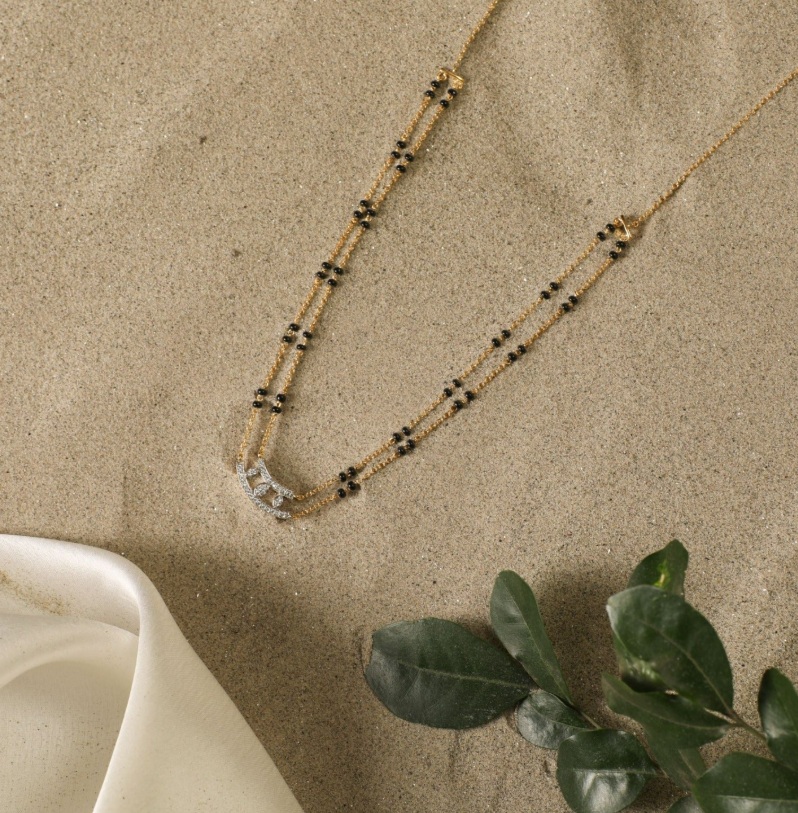
This is especially important when you are selecting a meaningful gift, like a silver mangalsutra or elegant silver rings, where quality speaks louder than price. By choosing authentic pieces, you aren’t just buying jewellery; you are investing in an item that holds its value and maintains the high standards of the brand you trust.
Understanding What You Are Buying
Before we jump into the tests, it helps to understand what real silver actually looks like chemically. The high-quality silver you want is known as Sterling Silver. It’s a blend of 92.5% pure silver and 7.5% other metals, usually copper. Why the mix? Because pure silver is actually too soft on its own. It needs that extra strength to withstand daily wear, especially for significant pieces like a silver mangalsutra or rings you wear every day.
Fake silver is a different story. Most of the time, it’s just cheap brass, steel, or nickel dipped in a silver bath. The issue starts once that thin outer layer rubs off. You’re left with a base metal that not only looks bad but can also irritate your skin. Understanding this fundamental difference is your first line of defense against buying imitations.
The Quick Magnet Trick
One of the oldest and easiest ways to check for authenticity is the magnet test. Silver is naturally non-magnetic, which means it shouldn’t react at all.
To try this, just grab a standard magnet like one from your fridge and hold it close to your silver jewellery. If the piece sticks to the magnet, even slightly, it isn’t sterling silver. It likely contains iron or steel, which are common materials in fake pieces. While this test isn’t foolproof for every metal, it is a great way to instantly rule out the majority of cheap imitations.
The Ice Cube Test
Real silver has very high thermal conductivity. This means it heats up and cools down incredibly fast. You can use this property to your advantage with a simple ice cube.
- Place an ice cube on top of your silver jewellery (ideally on a flat part of a silver ring or a pendant).
- If the silver is real, the ice cube will start to melt much faster than it would on your hand or on a table.
It’s a surprising but effective way to see if the metal is conducting heat the way real silver should.
The Sound Test
This is a technique often used by silver dealers, but it’s actually simple enough for anyone to try. If you have a loose coin or another piece of silver that you know is real, gently tap it against the piece you are testing.
Real silver has a distinct, high-pitched “ping” sound that rings for a second or two. Fake metals or silver-plated items, on the other hand, tend to make a dull, thudding sound that stops almost immediately. It’s a subtle difference, but once you hear that clear ring of real silver, you won’t forget it.
Checking the Hallmark
While home tests are great, nothing beats checking the “paperwork” the stamp, that is. Reputable jewellers will always stamp their work to prove authenticity. Flip your silver ring or necklace over and look closely for a “925,” “Ster,” or “Sterling” stamp.
This hallmark guarantees that the piece is made of 92.5% silver. If you are buying something significant like a silver mangalsutra, this mark is crucial. It’s the manufacturer’s promise that you are getting the real deal. If you don’t see a stamp, it’s a major red flag.
The Sniff Test
It might sound strange, but your nose can sometimes detect a fake before your eyes do. Many fake silver pieces are made of metals like brass or copper, which have a very distinct, strong metallic smell. Real silver is odorless. If your silver jewellery has a strong, coppery or metallic scent, it’s likely just a silver-plated base metal. Over time, as the plating wears off, that smell will only get stronger, so it’s best to avoid these pieces right from the start.
The White Cloth Test
This is a gentle way to check for plating without damaging your jewellery. Take a soft, white cloth and rub the surface of your jewellery firmly but gently. If you see black marks on the cloth, don’t panic! Real silver oxidizes when rubbed, so black marks actually indicate authenticity.
However, if the cloth comes away with a green or a black color that reveals a different colored metal underneath on the jewellery itself, then the piece is plated. The top layer has just rubbed off to reveal the cheap metal inside.
In Conclusion
Spotting real versus fake silver doesn’t require a chemistry degree. It just requires a little bit of attention. By using these simple methods from the magnet test to the sound check, you can shop with confidence.
Whether you are picking out a delicate silver ring or a meaningful silver mangalsutra for a special occasion, you deserve pieces that will last a lifetime. Don’t settle for imitations that will lose their luster in a few weeks. Look for the hallmarks, do the quick tests, and enjoy the beauty of genuine, high-quality silver that truly stands the test of time. If you are looking for a brand that prioritizes authenticity and craftsmanship above all else, Paksha is the perfect place to start your journey.