



Table of Contents
The PRP – platelet-rich plasma therapy or “vampire treatment” boasts of being the key to a youthful appearance. Despite a growing attraction from a broad audience, the evidence is still coming to show its effectiveness.
Read ASPS – American Society of Plastic Surgeons highlights in published reviews relating to PRP for tone and texture in facial skin and hair regrowth. The review further details standardized prep limitations and those pertaining to clinical evidence.
PRP Therapy: A Natural Approach to Regeneration and Care
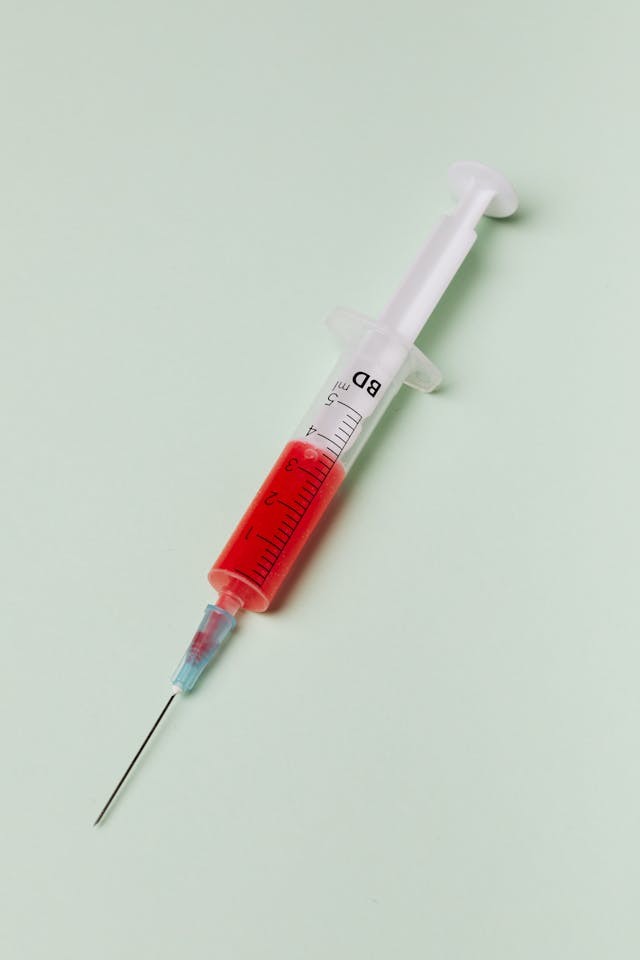
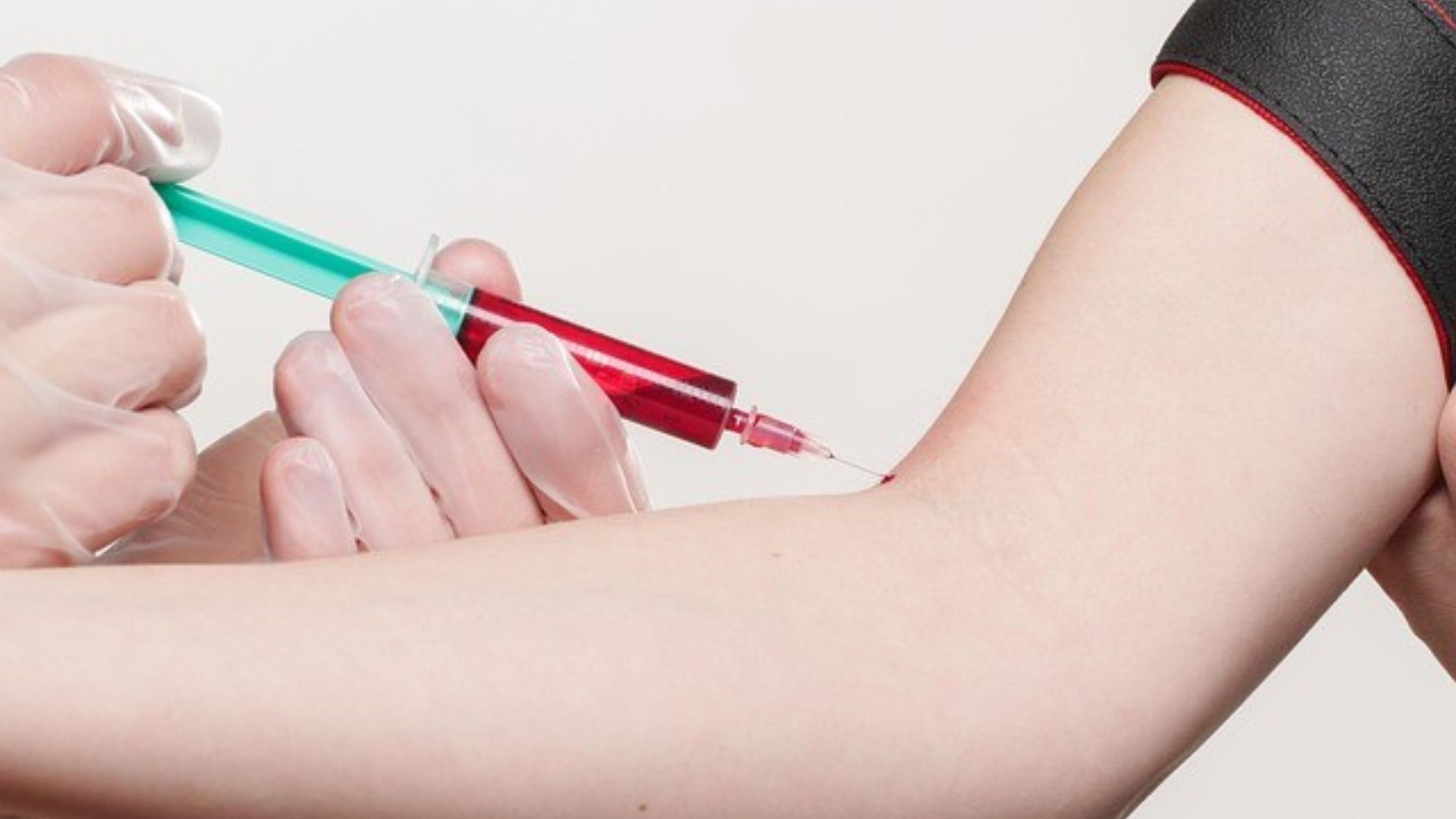
Everyone’s body consists of blood platelets. When performing this cosmetic procedure, practitioners follow three steps starting with a blood draw to separate the platelets and blood. Providers re-inject the combination with the highest concentration of platelets for the most effective result.
The procedure takes roughly an hour with virtually immediate results. Some clients find that this therapy can:
- Decreases the appearance of acne scars
- Improves fine lines and deep creases
- Enhances the complexion
- Plumps sagging skin
The client can expect little to no time away from regular activities of daily living.
Understanding PRP Training And Its Importance In the Aesthetic Industry

Non-invasive cosmetic treatments are increasingly growing in favour in the UK, with PRP proving popular for skin rejuvenation and hair restoration.
Regenerative care is the primary component of PRP’s therapeutic treatment as you’ll find with Physiopedia’s overview – Platelet-Rich Plasma (PRP) Therapy – Physiopedia . The stimulation from the process promotes a natural healing process.
Stringent regulations and dynamic training are mandatory to achieve the specialized techniques and produce the effective results that PRP therapy requires.
Refined methodologies involving meticulous skill and follow-ups for optimal recovery are an essential competence focused on in coursework as are ethics and client safety. These factors are emphasized by HEE – Health Education in England.
Coursework participants can rest assured meeting the mandated industry standards by pursuing a CPD-accredited education. With this status, the client is protected and the reputation of the cosmetic treatment industry, particularly those providing PRP therapy.
Final Thought
Any clinical treatment, involves having adequate knowledge of anatomy and precise technical expertise, including therapies like PRP. These will be precursors in the education process.
A PRP training course accomplishes objectives for those who either want to expand their existing medical skillset or advance their aesthetic certifications. Upon completion they will further their competence and reach compliance in their field.
Medical providers broadening their skillset or aestheticians advancing their certifications pursue coursework that leads them on the path to competence and compliance.