



Table of Contents
Botox is the most popular non-surgical treatment around. It works by relaxing the muscles that cause expression lines. Those frown lines, forehead wrinkles, and crow’s feet that show up when you smile, squint, or scowl.
Once you get it injected, those muscles relax and the skin above them stops creasing. You’re left with a smoother look.
But here’s the thing: Botox only targets movement-created wrinkles. It doesn’t improve the skin texture. It doesn’t hydrate your face. And it won’t fade pigmentation or tighten pores.
That’s why other skin treatments exist. They actually last longer and look more natural. It’s also why many people consider the benefits of cosmetic surgery over time. Especially if they want stronger or more permanent results.
The 5 Best Skin Treatments to Have After Botox
Microneedling
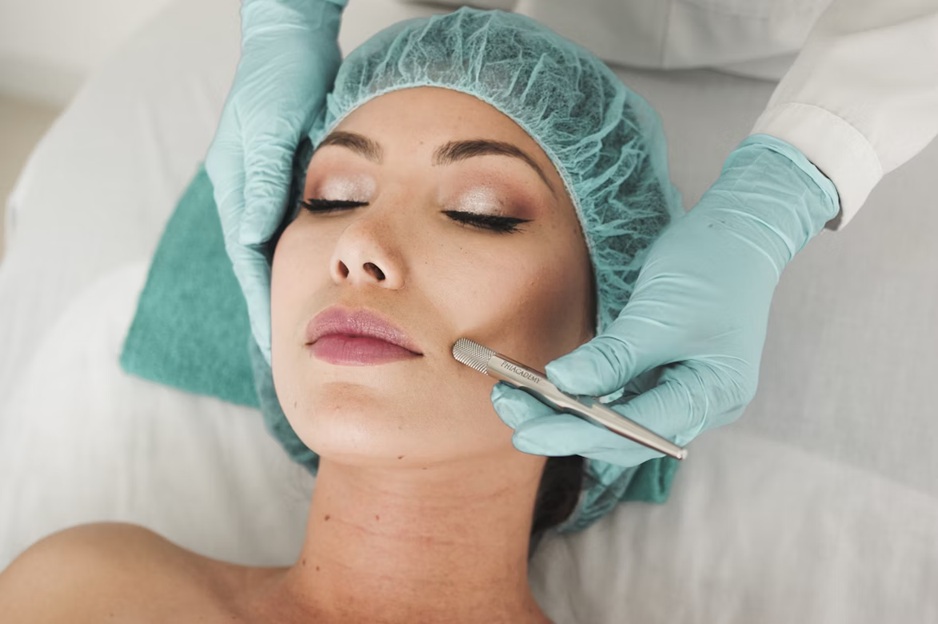
Microneedling, (we also call it collagen induction therapy in the industry), uses a device with tiny needles to puncture the skin in a controlled way.
Your body reacts to these micro-injuries by kicking off its natural healing process. It starts making more collagen and elastin. Bit by bit, this smooths out your skin tone and improves texture.
It works especially well on acne scars, large pores, fine lines, and rough or uneven skin. It’s one of the most effective ways to build better skin instead of just masking issues with Botox.
Why Microneedling Works Better after Botox
Botox and microneedling don’t overlap. Instead, they complement each other. Botox calms the muscles underneath your skin. When those muscles stop contracting, it gives microneedling a more stable room to work with.
Less movement during the healing phase means collagen can rebuild in a more even, smooth way. Areas like the forehead or between the brows especially, where movement is usually constant.
Also, Botox takes care of the deeper dynamic wrinkles, while microneedling handles the finer surface lines and texture problems. If you’ve had Botox but your skin still looks tired or feels rough, microneedling is often the missing link.
Bonus Tip
Some clinics combine microneedling with the modified blanching technique. They inject tiny amounts of skin-boosting ingredients (NCTF, amino acids, or diluted hyaluronic acid) just under the surface.
Microneedling opens micro-channels in your skin, and those channels help the injectables spread evenly and absorb better. Your skin gets what it needs right where it needs it.
This combo smooths out texture, boosts hydration, and gives you that healthy glow faster. Plus, it lasts longer. You’re hitting the skin from two angles: one triggers repair, the other feeds it.
Many practitioners now use this modified blanching method to enhance results, especially those trained through advanced courses for healthcare professionals like the ones at LW Aesthetics Academy.
Other than that, you can combine microneedling with serums like hyaluronic acid or even PRP (platelet-rich plasma) for better absorption and more dramatic results.
When to Book it
Wait at least 7–10 days after Botox before getting microneedling. You want the Botox to fully settle first. Don’t do both on the same day. It’s too much at once and can mess with your results.
Credit: Unsplash
Skin Boosters (Profhilo, Seventy Hyal, Jalupro)
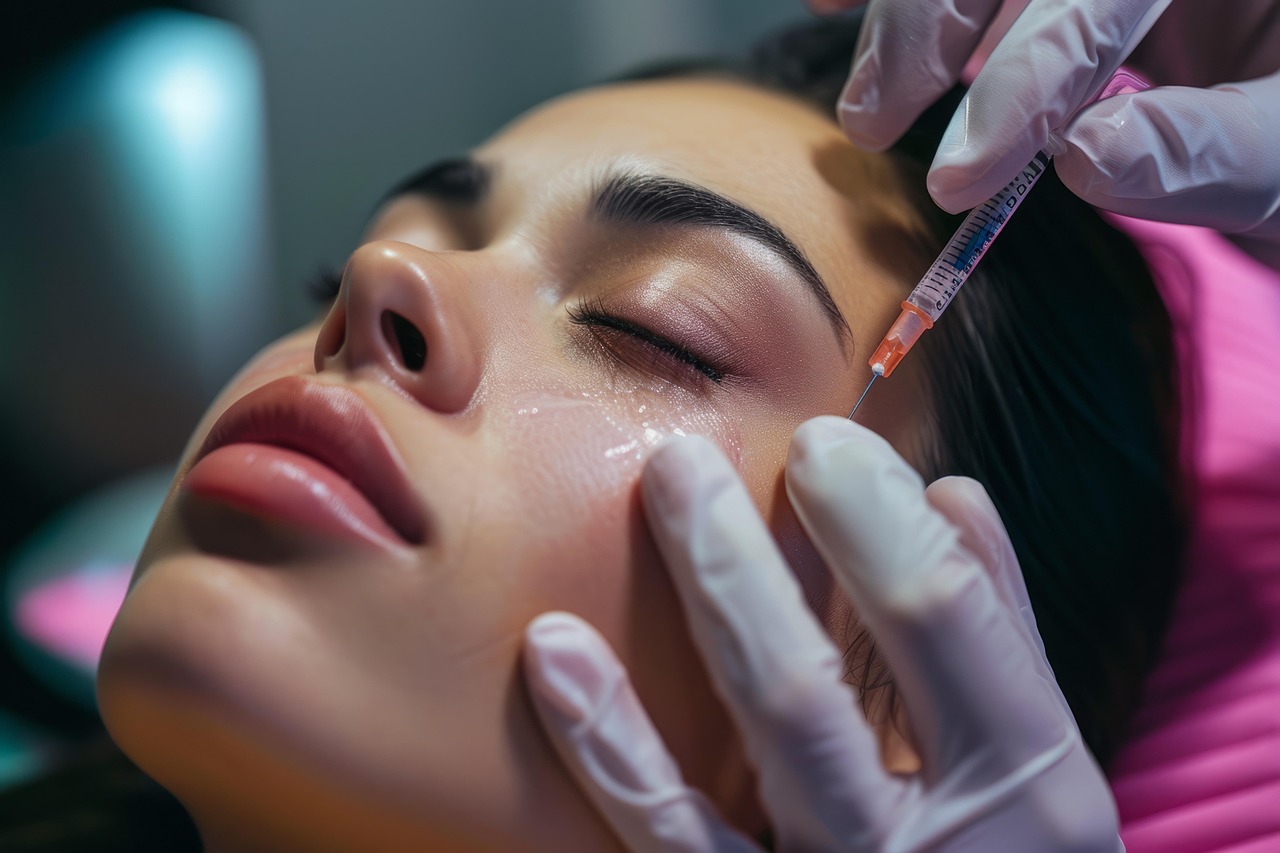
Skin boosters are injectable treatments made from ultra-lightweight hyaluronic acid or other skin-rejuvenating ingredients.
They don’t add volume or change your facial structure unlike traditional dermal fillers. Instead, they hydrate the skin and stimulate collagen and elastin production. They’re designed to improve skin quality. This makes them perfect to pair with Botox.
You’ll often see brands like Profhilo, Seventy Hyal, Jalupro, or Sunekos being used. Some work purely on hydration; others also contain amino acids and vitamins that encourage skin regeneration.
Why They Pair Well with Botox
Botox gives you a smoother, relaxed look, but it doesn’t give you glow. It doesn’t boost elasticity. It won’t fix dry, crepey, or thin skin. Skin boosters pick up where Botox leaves off.
They plump up the skin subtly, improve bounce, and give that “juicy”, hydrated look that’s hard to get with skincare alone. And because Botox reduces movement, especially in the upper face, the hydration and structural improvement from boosters often lasts longer. There’s less facial movement breaking things down.
Together, Botox and skin boosters give that filtered-skin look: smooth and healthy, not just frozen.
What Results to Expect
- Brighter, healthier-looking skin
- More elasticity and bounce
- Long-lasting hydration
- Reduced fine lines (especially under the eyes or neck)
When to Book it
You can usually have skin boosters 1–2 weeks after your Botox. Some injectors even do both in the same appointment, depending on your face and treatment plan. But generally, spacing them out helps avoid swelling in the same areas.
Credit: Pixabay
Chemical Peels
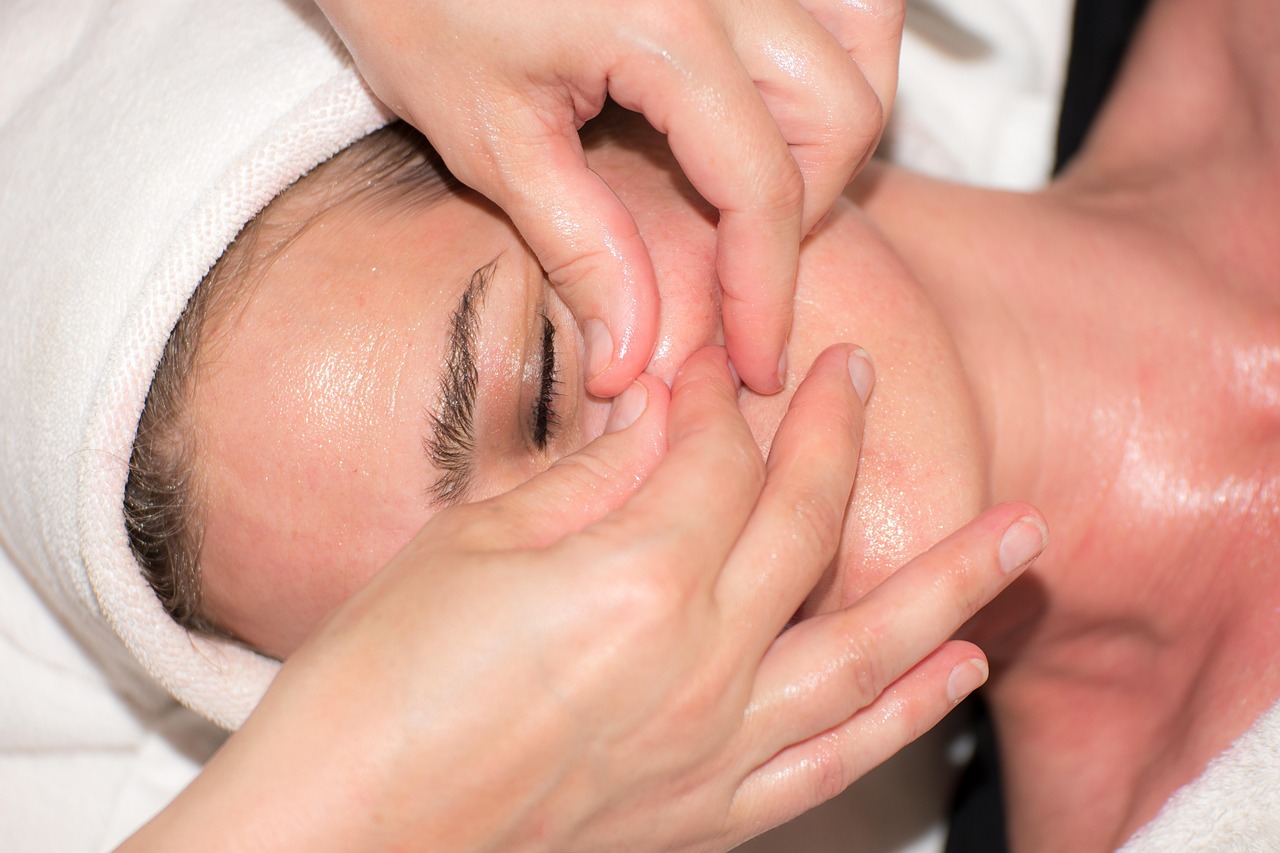
Chemical peels use acids to exfoliate the top layers of your skin. They can do anything from brightening a dull complexion to reducing deep pigmentation, acne scars, fine lines, and sun damage. This all depends on the strength of the peel.
There are different levels:
- Superficial/light peels (e.g. glycolic, lactic)
- Medium peels (e.g. TCA, Jessner)
- Deep peels (e.g. phenol — these are very rare and usually done under supervision)
Peels work by causing controlled damage to the skin so that it sheds dead cells and regenerates fresher, healthier skin underneath.
Why it’s Better Post-Botox:
Once you start the see the results of Botox, your skin becomes more stable, which makes it the perfect time for a peel.
When your skin isn’t constantly creasing, the peel distributes more evenly. And your recovery time can be slightly faster since the muscles aren’t pulling on freshly peeled areas.
Also, Botox takes care of movement wrinkles, and peels target skin tone, texture, and clarity. So the combo makes your face look smoother and brighter from all angles, not just less wrinkled.
What Chemical Peels Help With:
- Pigmentation
- Sun spots
- Acne scars
- Fine lines
- Dullness
When to Book
- For light peels, you can go in about 5–7 days after Botox.
- For medium peels, wait at least 2 weeks to be safe.
- Avoid deep peels soon after Botox — it’s too much trauma for the skin at once.
Always talk to your practitioner first. Especially if you’re combining peels with injectables.
Credit: Pixabay
LED Light Therapy
LED light therapy uses different wavelengths of light to target various skin concerns. It’s completely non-invasive and pain-free. Plus, there’s no downtime. You just lie under a light panel for 10 to 20 minutes, and let the wavelengths get to work.
Most common types:
- Red light: Boosts collagen, reduces inflammation, promotes healing
- Blue light: Kills acne-causing bacteria
- Near-infrared: Deep tissue regeneration
Why LED Light Therapy is a Good Match with Botox
LED is one of the few treatments that can be done immediately after Botox. It actually helps your skin recover faster.
It helps with inflammation, reduces any post-injection redness, and boosts blood flow, all of which support the skin as it adjusts to the Botox. Over time, regular LED sessions can improve elasticity, texture, and overall skin quality.
Plus, if you’re doing Botox every 3 to 4 months, adding monthly LED treatments can keep your skin in good condition between visits.
Benefits of LED Light Therapy
- Faster post-Botox recovery
- Reduced swelling and redness
- Better long-term skin health
- No needles, no downtime
When to Book it
You can literally do it on the same day as Botox, or within the following few days. Many clinics include it in post-injection facials or recovery sessions.
Hydrafacial
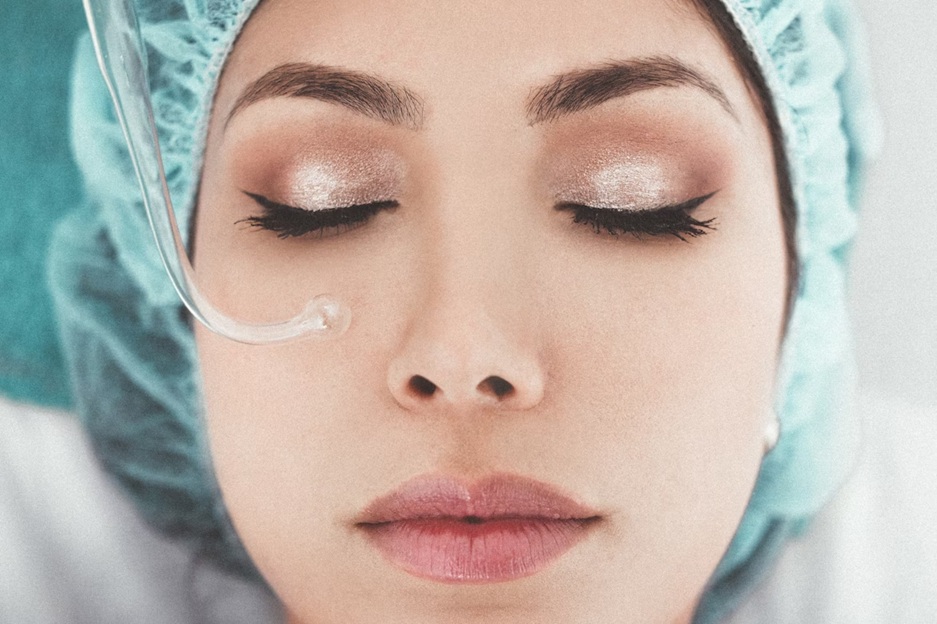
Hydrafacial is a high-tech, multi-step facial treatment that cleans out pores, exfoliates dead skin, hydrates, and infuses antioxidants all in one go. It uses a vacuum-like suction tool that clears blackheads and dirt while delivering serums into your skin.
Unlike traditional facials, it doesn’t involve steam or manual extractions. The result? No redness, and the results are instant.
Why Hydrafacial Works Better A:fter Botox
Botox gives you the smooth, but Hydrafacial gives you the glow.
After Botox, your skin might still look a bit dry or tired. That’s normal, and hydrafacial sorts that out by deep-cleaning and rehydrating. It helps prevent breakouts (it happens if you touch your face a lot after Botox), and makes your complexion look brighter and more balanced.
If you do Hydrafacials regularly, is can improve long-term skin health. Eventually, the skin underneath your Botox stays clear and healthy.
Who it’s Best for
- Anyone prone to dullness or blocked pores
- People who wear a lot of makeup
- Clients who want minimal downtime but visible results
When to Book a Hydrafacial Treatment
Wait 5 to 7 days post-Botox. You don’t want the suction to disturb the injection sites while the Botox is settling.
Credit: Unsplash
Final Thoughts
If you’ve only ever used Botox on its own, you’re missing out on what’s possible. Botox is amazing for what it does (softening wrinkles from movement) but that’s just one piece of the puzzle.
To get that glowy, healthy, natural look, you need to combine it with other treatments that work on your skin texture, hydration, tone, and overall quality.
Microneedling, skin boosters, chemical peels, LED therapy, and Hydrafacial: each of these targets what Botox can’t. And when done right, the results are next-level.