



Table of Contents
Engagement ring styles have moved far beyond the single-stone solitaire. Many couples now want a ring that feels personal, expressive and a little more artistic, and designs drawn from the natural world have become one of the most popular ways to get there. Petals, leaves, vines and blossoms add softness and movement to a ring, creating a look that feels both timeless and distinctive.
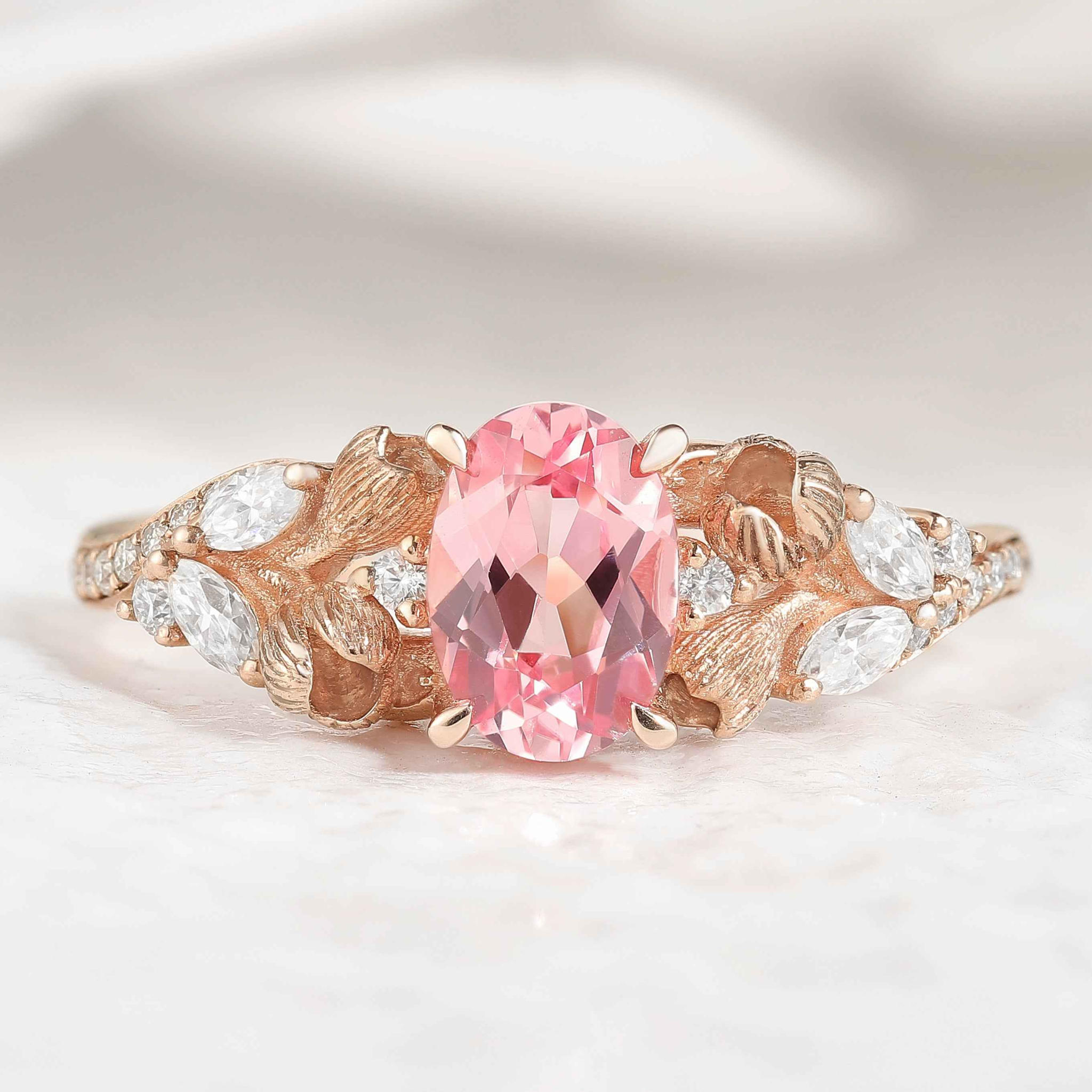
One of the most loved directions within this trend is floral engagement rings, where stones and metalwork come together to resemble a bloom in full flower. Whether the design is a delicate cluster of gems or a sculpted band wrapped in botanical detail, the result is a piece that looks nothing like a standard ring and tells a more personal story.
Why Nature-Inspired Jewellery Appeals to Modern Couples
Nature has always been a source of symbolism in jewellery, representing growth, renewal and enduring love. For many couples, a botanical design reflects a shared memory, a favourite season or a garden that matters to them. Others are simply drawn to the gentler, more romantic look compared with sharp geometric settings.
There is also a practical design advantage. Petal-shaped settings often use several smaller stones to build the shape of a flower, which can create a larger and more luminous look without relying on one expensive centre stone. That lets couples put more of their budget into craftsmanship and character.
Popular Botanical Motifs and What They Symbolise
Different plants carry different meanings, so the motif you choose can add an extra layer of significance to the ring:
- Rose designs: Long associated with love and passion, often shown with layered petals in a classic or vintage style.
- Cherry blossom motifs: Linked to renewal and the fleeting beauty of life, usually delicate and lightweight.
- Daisy-inspired rings: Simple, fresh and playful, with evenly spaced petals around a central stone.
- Lotus details: A symbol of rebirth and resilience in many cultures, with elegant, pointed petals.
- Vine and leaf bands: Curving metalwork that suggests growth and connection, often paired with small accent stones.
- Olive branch designs: A traditional emblem of peace, offering a subtle and graceful profile.
Gemstones That Bring Botanical Designs to Life
The stone you choose affects both the look and the durability of the ring. Diamonds are the hardest option, rated 10 on the Mohs scale, and suit everyday wear. Moissanite and sapphire are also very durable, offering strong brilliance or rich colour at different price points.
Softer stones such as morganite or pearl look beautiful in petal designs, especially in blush and pastel palettes, though they need more careful handling. Coloured gemstones can also echo real plants, with pink stones for petals and green stones for leaves. When a design uses several stones, it is worth checking that they match in colour and quality so the finished ring looks harmonious.
Metals and Settings That Complement the Design
The metal shapes the mood of the ring. Rose gold brings a warm, romantic tone that flatters blush stones, yellow gold gives a classic or vintage feel, and white gold or platinum creates a cooler, modern look that emphasises sparkle.
Settings matter just as much for comfort. Intricate designs can include many small prongs and open areas that may catch on clothing or hair, so a well-made setting with secure prongs and a comfortable profile helps protect the stones and makes the ring easier to wear every day.
Practical Tips Before You Buy
Think about how the ring will fit into your daily routine. People with active jobs or hobbies may prefer a lower profile with protected stones. Ask the jeweller about resizing, since very ornate bands can be harder to adjust, and check how easily the ring can be cleaned and maintained.
It also helps to ask about stone quality, certification where applicable and the materials used in the setting. Comparing several designs, trying them on if you can, and reading reviews will help you choose a ring you will still love in many years.
Caring for a Detailed Ring Design
Intricate designs can collect dust and oils in small crevices, so gentle regular cleaning is important. Warm water, mild soap and a soft brush are usually enough, followed by drying with a soft cloth. Remove the ring for heavy work, swimming or cleaning to avoid damage or loosened stones.
A yearly check with a jeweller is a good habit. A professional can inspect the prongs, tighten loose stones and clean hard-to-reach areas, helping keep the ring secure and sparkling.
Frequently Asked Questions
Are nature-inspired engagement rings practical for everyday wear?
Yes, when they are well made with secure settings. Lower profile designs and durable stones such as diamond, moissanite or sapphire are especially practical for daily use.
Do botanical designs cost more than a classic solitaire?
It depends on the stones, metal and level of detail. Designs with several small stones and intricate metalwork can vary widely in price, but they can offer strong visual impact at many budgets.
Which gemstones suit petal and leaf designs best?
Diamonds, moissanite and sapphires are popular for durability, while morganite, pearl and coloured stones offer softer or more colourful looks. The right choice depends on your style, budget and how much care you are happy to give the ring.
Can a vine or petal band be resized?
Often yes, but detailed bands can make resizing more complex. Ask the jeweller about resizing before you buy, especially if the pattern wraps around the whole band.
How do I keep a detailed ring clean?
Use warm water, mild soap and a soft brush to reach small crevices, then dry gently. Avoid harsh chemicals and have the ring checked by a professional regularly.
Conclusion
Nature-inspired engagement rings offer a beautiful alternative to traditional styles, blending romantic symbolism with creative design. By understanding the different motifs, choosing stones and metals that suit your lifestyle, and caring for the ring properly, you can find a design that feels personal and lasts for years. The best ring is the one that reflects your story, and a botanical design makes it easy to wear that story every day.
Comments are closed.