



Table of Contents
Oily skin and sunscreen often feel like a bad combination. The moment you apply SPF, your skin can look greasy, feel heavy, or even trigger breakouts. But skipping sunscreen isn’t an option—especially in India’s harsh UV conditions.
The good news is that the right sunscreen can protect your skin without making it oily. You just need to choose formulas designed specifically for your skin type.
In this guide, we’ll break down how to pick the right sunscreen and what actually works for oily and acne-prone skin.
Why Sunscreen is Non-Negotiable for Oily Skin
There’s a common myth that oily skin doesn’t need sunscreen. In reality, UV exposure can:
- Increase sebum (oil) production
- Worsen acne and inflammation
- Lead to pigmentation and acne marks
- Break down collagen, causing early aging
Daily sunscreen use helps control long-term oil imbalance and skin damage, not just sunburn.
How to Choose the Right Sunscreen for Oily Skin
Choosing the wrong sunscreen is usually the reason people with oily skin avoid SPF. Here’s what actually works:
Go for Lightweight, Gel-Based Formulas
Gel sunscreens absorb quickly into the skin without sitting on top. They feel breathable and don’t leave a sticky residue, making them ideal for humid Indian weather.
Look for Non-Comedogenic Formulas
Non-comedogenic products are designed not to clog pores, which is essential if you’re prone to acne.
Choose Oil-Free and Matte Finish
A matte or natural finish helps control shine without making your skin look dull.
Pick Broad-Spectrum SPF 30 or Higher
Broad-spectrum sunscreens protect against both UVA (aging and pigmentation) and UVB (sunburn).
Check for Advanced UV Filters
Modern sunscreens use new-generation UV filters that are more stable in sunlight, lightweight, and less likely to cause irritation.
Recommended: Gel Sunscreen for Oily Skin
If you have oily or acne-prone skin, a gel-based sunscreen with an advanced formulation tends to perform best in real-world conditions.
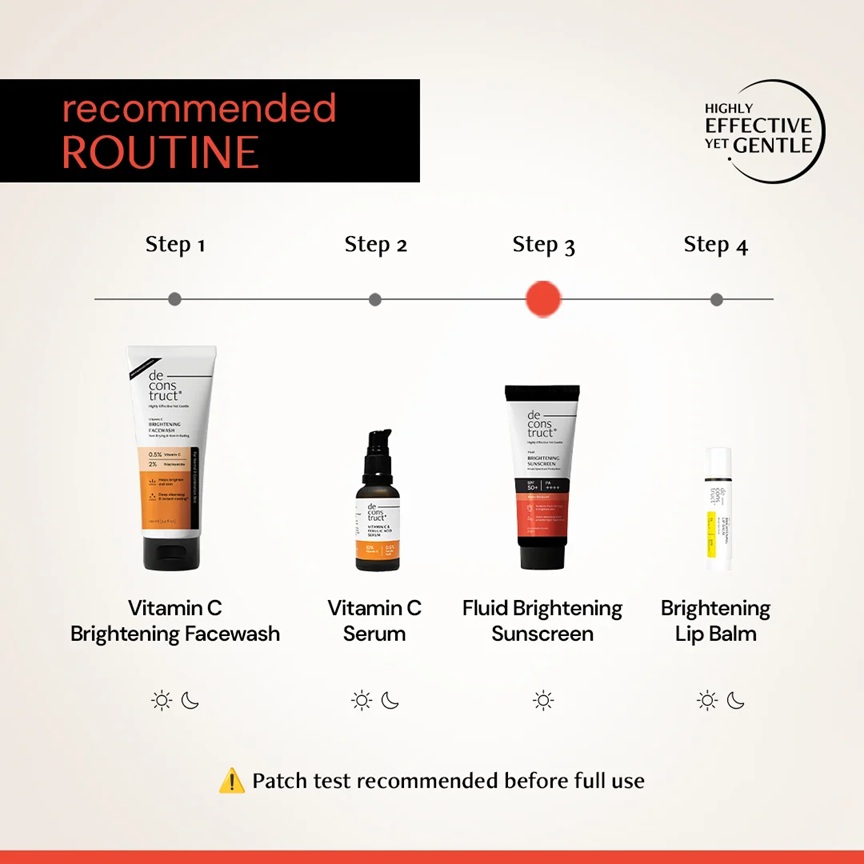
One option that fits well into this category is the gel sunscreen for oily skin from Deconstruct.
Here’s why this type of formulation works particularly well:
- Lightweight gel texture that absorbs quickly without leaving a greasy layer
- Designed to feel comfortable even in hot, humid weather
- Formulated with new-generation UV filters for stable and effective protection
- Photostable, meaning the protection doesn’t break down easily in sunlight
- In-vivo tested, so the performance is validated on real skin rather than just lab conditions
- Leaves no visible white cast, making it suitable for Indian skin tones
- Layers well under makeup or daily skincare
Instead of feeling heavy or clogging pores, this kind of sunscreen integrates easily into a daily routine, especially for those who usually avoid SPF because of texture issues.
Gel vs Cream Sunscreen: What’s Better for Oily Skin?
| Feature | Gel Sunscreen | Cream Sunscreen |
| Texture | Lightweight, fast-absorbing | Thick, rich |
| Finish | Matte or natural | Often greasy or dewy |
| Pore clogging risk | Low | Higher (depending on formula) |
| Best for | Oily, acne-prone skin | Dry or dehydrated skin |
In Indian weather conditions, gel sunscreens are usually the safer and more comfortable choice for oily skin types.
Common Sunscreen Mistakes That Make Oily Skin Worse
Even a good sunscreen can feel wrong if used incorrectly. Here are some common mistakes:
- Using too little sunscreen
- Skipping sunscreen due to greasiness
- Not reapplying
- Choosing heavy cream-based formulas
- Ignoring ingredient lists
How to Use Sunscreen for Oily Skin (Simple Routine)
A proper routine can make sunscreen feel much lighter:
- Use a gentle cleanser
- Apply a lightweight, oil-free moisturizer if needed
- Apply sunscreen using the 2-finger rule
- Wait 2–3 minutes before applying makeup
Reapplication tips:
- Reapply every 2–3 hours if you’re outdoors
- Use blotting paper before reapplying to control excess oil
Why Gel Sunscreens Are Trending in India
Gel sunscreens have become popular because they are designed for hot and humid climates. They absorb quickly, feel lightweight, and are comfortable for daily wear. They also work well for acne-prone skin and do not leave a white cast.
For oily skin users, this shift from heavy creams to lightweight gels has made daily sunscreen use much more practical.
Final Thoughts
Finding the right sunscreen for oily skin is less about avoiding SPF and more about choosing the right formula.
A good sunscreen should feel lightweight, non-greasy, and comfortable for daily use.
Modern gel sunscreens, especially those made with photostable, in-vivo tested, new-generation UV filters, offer a balance of high protection and wearable texture, making them ideal for Indian conditions.
If your current sunscreen feels heavy or causes breakouts, switching to a well-formulated gel sunscreen can make a noticeable difference in both comfort and consistency.
FAQs
Which sunscreen is best for oily acne-prone skin?
Look for a gel-based, oil-free, non-comedogenic sunscreen with SPF 30 or higher.
Can sunscreen cause acne on oily skin?
It can if the formula is heavy or pore-clogging. Lightweight gel sunscreens are less likely to cause breakouts.
Is SPF 50 necessary for oily skin?
Yes, especially if you are exposed to strong sunlight for extended periods.
Which sunscreen texture is best for oily skin?
Gel or fluid textures work best because they are lightweight and non-greasy.