
Instant Coffee vs Ground Coffee: What Is the Difference?
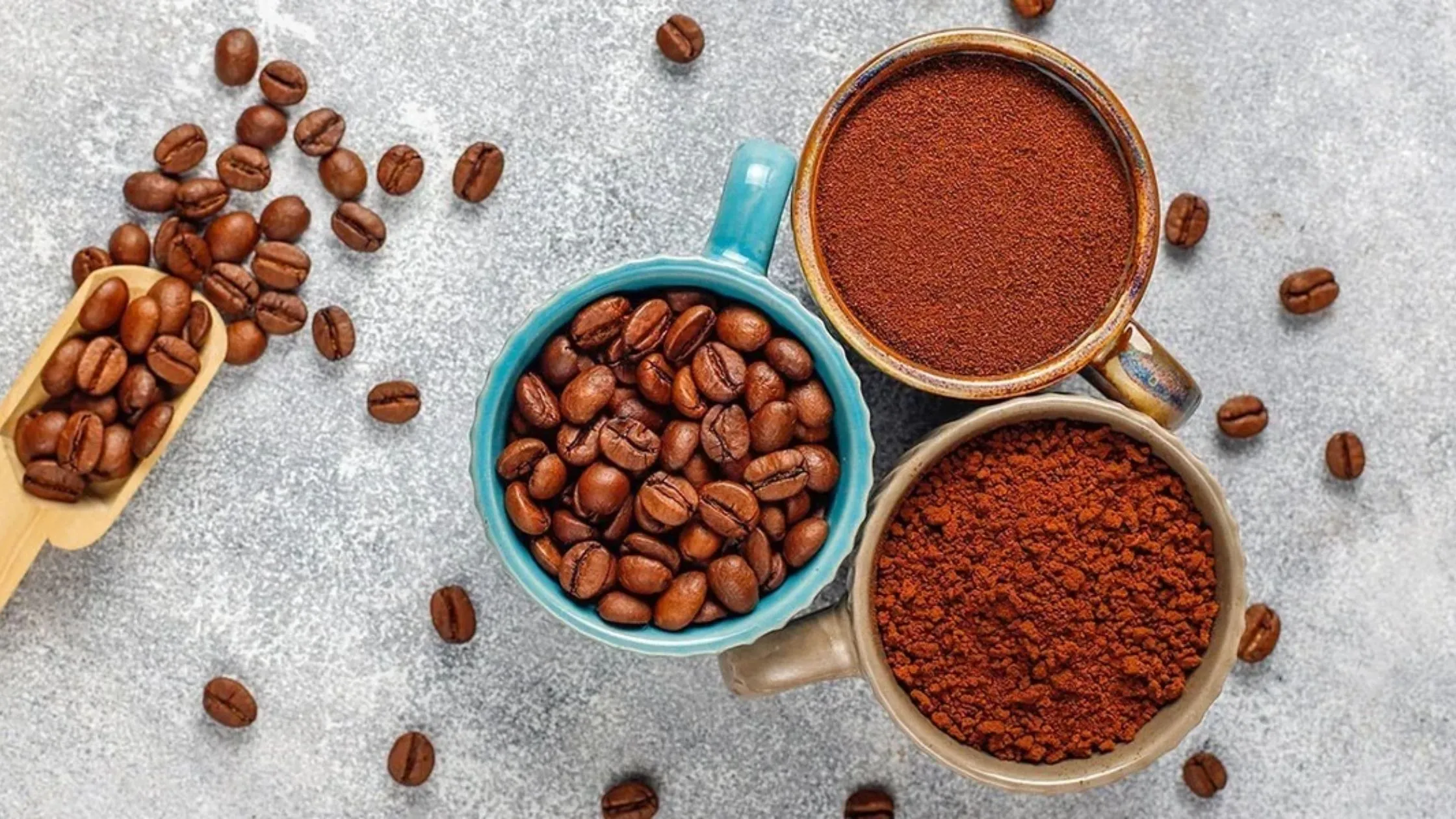
Table of Contents
Some mornings, making coffee is little more than a race against the clock. You need something warm before your first meeting, and there is barely enough time to find a clean mug. On other days, grinding coffee and waiting for it to brew is part of the pleasure. Both routines can produce a satisfying cup, but they rely on two different forms of coffee.
Instant and ground coffee differ in how they are processed, prepared and enjoyed. Neither is automatically the better choice for everyone. Understanding these differences can help you find a coffee that fits your taste, budget and daily routine.
What Is Instant Coffee?
Instant coffee is made by brewing roasted coffee, concentrating the liquid and removing the water through drying. The remaining powder or granules dissolve when mixed with water, giving you a ready-to-drink cup without the need for filtering.
Two common production methods are spray-drying and freeze-drying. Spray-drying uses hot air to turn coffee extract into fine particles, while freeze-drying removes water from frozen coffee under a vacuum. Freeze-drying can help retain more of the coffee’s aromatic qualities, although the final flavour also depends on the beans and roasting process.
For people who want a flavourful cup without setting up brewing equipment, premium instant coffee from Beanly Coffee is one option worth considering. A freeze-dried formulation can be especially practical in an office, hostel or kitchen where preparation time and storage space are limited.
What Is Ground Coffee?
Ground coffee is made by crushing roasted coffee into particles of a suitable size for brewing. Unlike instant coffee, it has not already been brewed and dried. Water must extract the soluble compounds from the grounds before the drink is ready.
Different brewing methods require different grind sizes. A French press generally works well with coarser grounds, while an espresso machine requires a much finer grind. Using an unsuitable grind can make the resulting drink taste weak, sour or overly bitter.
If you enjoy experimenting with brewing methods, buying whole coffee beans and grinding them just before brewing gives you greater control over grind size and freshness. Pre-ground varieties are also convenient when you do not own a grinder but still want to brew coffee at home.
Instant Coffee vs Ground Coffee: Key Differences
The most noticeable differences go beyond how quickly you can prepare a cup. Processing, equipment and brewing control all influence the experience.
Preparation time: Instant coffee takes roughly a minute or two once hot water is available. Ground coffee requires brewing, which may take several minutes depending on the method, followed by cleaning the equipment.
Taste and aroma: Freshly brewed coffee often offers a wider range of aromas and flavours, from nutty and chocolate-like notes to fruity or floral ones. Instant coffee tends to deliver a more consistent flavour, though quality varies considerably across products.
Equipment: Instant coffee requires little more than a cup and a spoon. Ground coffee usually needs a filter, French press, moka pot or another brewing device.
Texture: Instant granules dissolve in water. Ground coffee does not dissolve completely, so most brewing methods separate the spent grounds from the liquid. Unfiltered methods may leave some sediment in the cup.
Cost: Instant coffee can be economical because each serving uses a small amount and no specialised equipment. Ground coffee costs vary according to the roast, origin and brewing setup. Comparing the cost per cup is more useful than comparing packet prices alone.
Which Coffee Has More Caffeine?
Ground coffee often contains more caffeine per typical serving than instant coffee, but this is not a fixed rule. The bean variety, quantity of coffee, serving size and brewing technique all influence the caffeine content.
For example, a large mug of strongly prepared instant coffee could contain more caffeine than a small serving of lightly brewed ground coffee. Adding extra spoonfuls of instant granules also increases the amount of caffeine consumed.
If you are trying to manage caffeine intake, check the serving information on the packaging when available. Decaffeinated versions of both coffee types are another option if you enjoy the taste but prefer to limit caffeine.
Which Coffee Is Easier to Store?
Instant coffee generally has a longer unopened shelf life than roasted ground coffee and can retain its quality for longer when stored correctly. Keep the jar tightly closed in a cool, dry cupboard and use a clean, dry spoon to prevent moisture from entering.
Ground coffee is more vulnerable to the gradual loss of aroma after opening because grinding exposes a larger surface area to oxygen. Store it in an airtight container away from heat, moisture and direct sunlight. Buying smaller quantities that you can finish reasonably quickly is often a better approach than keeping a large opened bag for months.
How to Make a Better Cup of Either Coffee
For instant coffee, begin with the quantity recommended on the packaging. Add hot water, stir until dissolved and adjust the strength to your preference. For an iced drink, dissolve the granules in a little warm water first, then add cold milk or water and ice.
When brewing ground coffee, measure the grounds and water instead of guessing. A kitchen scale is helpful, but you can also start with the instructions provided for your brewing device. Try changing one variable at a time, such as grind size or brewing duration, until the flavour suits you.
Good-tasting drinking water matters for both methods. So does a clean mug or brewing device, since lingering coffee oils can affect the taste of your next cup.
Which Coffee Should You Choose?
Think about when and where you usually drink coffee. Instant coffee makes sense if you travel frequently, have busy mornings or simply dislike washing brewing equipment. It also works well for quick milk-based drinks and cold coffee.
Ground coffee is a suitable choice if you enjoy exploring different roasts, adjusting the strength of your brew or spending a few quiet minutes preparing a cup. It offers more room for experimentation, but it requires a little extra effort.
You do not have to choose one permanently. Keeping instant coffee for busy weekdays and ground coffee for slower weekends is a practical way to enjoy both without complicating your routine.
Conclusion
The difference between instant and ground coffee comes down to processing, preparation and personal preference. Instant coffee offers speed and simplicity, while ground coffee allows greater control over brewing and flavour. Choose the method that fits your everyday habits rather than assuming that a more complicated preparation always makes a better cup. After all, the coffee you enjoy drinking regularly is the one that works for you.