



Table of Contents
Maintaining healthy hair requires a balance between styling preferences and proper care practices. Frequent manipulation, environmental exposure, and heat styling can all contribute to damage over time, resulting in dryness, breakage, and weakened strands. Protective hair styling offers a practical solution by minimizing stress on the hair while promoting growth and retention. These styles are designed to shield the ends of the hair, reduce daily manipulation, and preserve moisture. By incorporating protective styles into a regular hair care routine, individuals can maintain both the appearance and long-term health of their hair.
Protective 5 Hair Styling Options for Healthy Hair
Understanding the Purpose of Protective Styling
Protective styling is rooted in the idea of reducing strain on the hair shaft by limiting exposure to damaging factors. Everyday activities such as brushing, styling, and environmental exposure can weaken hair over time, especially when combined with chemical treatments or heat tools. Protective styles work by tucking away the ends of the hair, which are the most fragile and prone to splitting.
These styles are particularly beneficial for individuals with textured, curly, or fragile hair types, though they can be advantageous for anyone seeking to improve hair health. By reducing the need for daily styling, protective hairstyles help preserve moisture, which is essential for maintaining elasticity and preventing breakage. Additionally, they encourage length retention by reducing the occurrence of split ends and mechanical damage.
While protective styles are effective, they must be installed and maintained properly to achieve the desired results. Improper tension, neglect, or leaving styles in for too long can counteract their benefits.
Popular Protective Hairstyles to Consider
There are numerous protective styling options available, each offering unique benefits depending on hair type, lifestyle, and personal preference. Braids are among the most popular choices, ranging from simple three-strand braids to more intricate styles such as box braids or cornrows. These styles can last for several weeks when properly maintained and provide excellent protection for the hair.
Twists, including two-strand twists and flat twists, are another versatile option. They are generally easier to install and remove, making them suitable for those who prefer lower-maintenance styles. Buns and updos also fall under the category of protective styling, especially when the ends of the hair are tucked away and secured.
Wigs and extensions offer additional flexibility, allowing individuals to change their look without manipulating their natural hair frequently. When used correctly, these options can serve as effective protective measures while offering styling versatility. Regardless of the style chosen, comfort and proper installation should always be prioritized to avoid unnecessary strain on the scalp and hair follicles.
Supporting Hair Health While Styling
Protective styling alone is not enough to ensure healthy hair; proper care before, during, and after styling is equally important. Preparing the hair beforehand with cleansing and deep conditioning treatments helps create a strong foundation. Clean, moisturized hair is less prone to breakage and better equipped to withstand the duration of a protective style.
During the styling period, maintaining hydration is essential. Lightweight oils, leave-in conditioners, and moisturizing sprays can help prevent dryness. It is also important to care for the scalp by keeping it clean and free of buildup, which can otherwise lead to irritation or hinder hair growth.
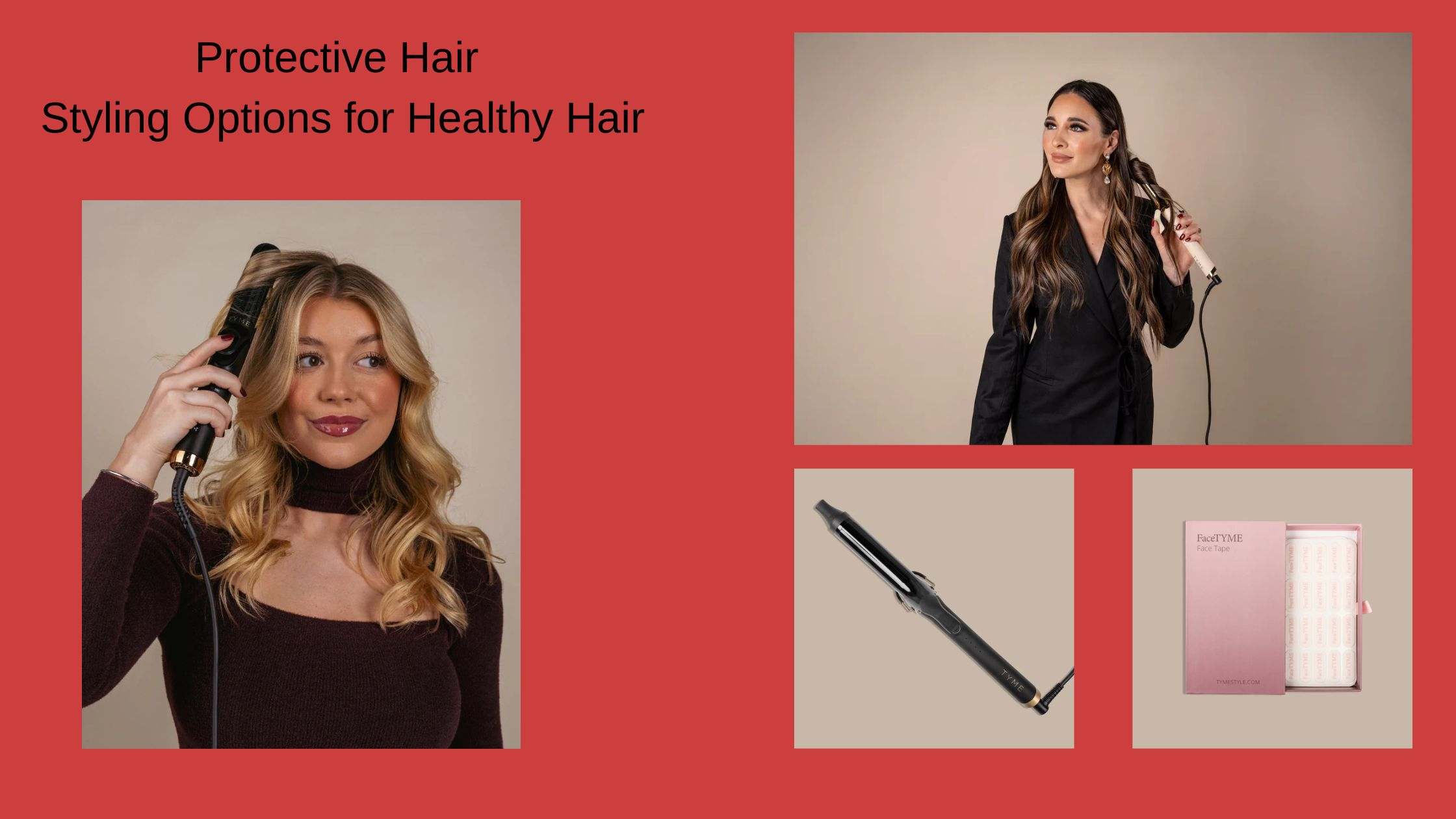
In some cases, individuals may choose to alternate between protective styles and occasional heat styling for versatility. When doing so, incorporating high-quality tools such as luxury curling iron products can help achieve desired looks with reduced risk of excessive heat damage, provided they are used with proper techniques and heat protection.
Nighttime care is another critical component. Wrapping hair with a satin or silk scarf, or using a silk pillowcase, can minimize friction and help maintain both the style and the health of the hair.
Avoiding Common Protective Styling Mistakes
While protective styles offer many benefits, certain mistakes can undermine their effectiveness. One of the most common issues is excessive tension during installation. Styles that are too tight can lead to traction alopecia, a condition caused by prolonged stress on the hair follicles.
Leaving styles in for extended periods is another frequent concern. While many protective styles are designed to last for several weeks, keeping them in for too long can result in matting, tangling, and buildup. Regularly assessing the condition of both the hair and scalp is essential to determine when it is time to remove or refresh the style.
Neglecting proper maintenance is also a major factor in hair damage. Even though protective styles reduce daily manipulation, they still require consistent care. Failing to moisturize or cleanse the scalp can lead to dryness, itchiness, and diminished hair health.
Finally, improper removal can cause unnecessary breakage. Taking the time to gently unravel styles and detangle hair carefully helps preserve the progress made while the hair was protected.
Building a Sustainable Hair Care Routine
Incorporating protective styling into a broader hair care routine ensures long-term success. Rather than relying on these styles exclusively, it is important to balance them with periods of rest and nourishment. Allowing hair to recover between styles gives the scalp and strands an opportunity to breathe and regain strength.
Regular trims, hydration, and protein treatments can further enhance hair resilience. Understanding individual hair needs and adjusting routines accordingly can lead to more effective results. Protective styles should be viewed as one component of a comprehensive approach to hair care, rather than a standalone solution.
Consistency is key. Establishing a routine that includes proper cleansing, conditioning, and mindful styling practices can significantly improve overall hair health over time.
Conclusion
Protective hair styling offers a valuable strategy for maintaining healthy, resilient hair in the face of everyday stressors. By reducing manipulation, preserving moisture, and shielding the most vulnerable parts of the hair, these styles can support long-term growth and strength. When combined with proper care, thoughtful installation, and regular maintenance, protective styling becomes an effective tool in achieving and sustaining healthy hair. Through informed choices and consistent practices, individuals can enjoy both versatility in styling and improved hair health over time.