



Table of Contents
A ring’s design decides more of its long-term value than the carat number does. Two stones of identical weight can sit in settings that age, wear, and resell very differently. That gap matters most at higher budgets, where buyers browsing 200k rings are rarely short on options, only on a clear way to sort them.
The Real Problem: Buying the Look, Not the Structure
Most shoppers start with a photo. A ring appears on a screen, it looks stunning, and the decision is basically made before anyone asks how the piece is built.
That’s the bottleneck. Appearance is the easiest thing to judge and the least predictive of how a ring behaves over ten years. Prong height, metal thickness, gallery openness, and stone protection all determine whether a design holds up or needs repair every other season.
The good news? It’s a well-understood problem. Once the evaluation moves from “does it look good” to “how is it built, and what does that cost over time,” the shortlist shrinks fast.
Design Families Worth Shortlisting
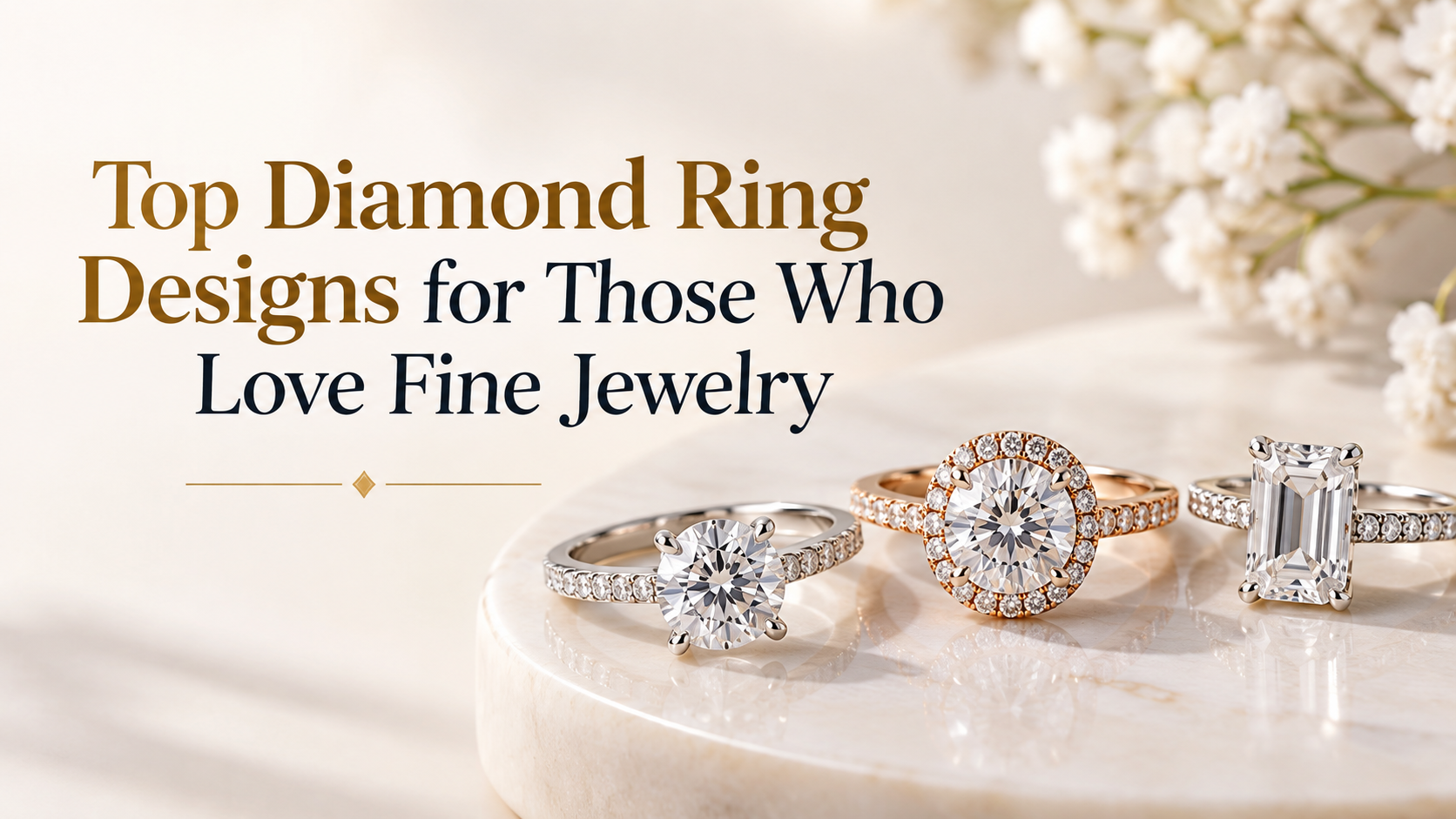
Not every style suits every wearer. Here are the main families, and what each one tends to do well:
- Solitaire: A single stone, minimal metal. It puts the diamond’s quality on full display, which means flaws show too.
- Halo: A ring of smaller diamonds surrounds the center stone. It adds visual size and sparkle, though the extra pavé work means more points that can loosen.
- Three-stone: Side stones frame the center. It’s a classic structure, and it lets the budget stretch across carat weight and symmetry.
- Bezel: Metal wraps the stone’s edge. It’s the most protective option and suits active hands, though it hides a little of the diamond.
- East-west: The stone sits horizontally. It’s distinctive and less common, so it photographs well and avoids the “seen it before” problem.
- Vintage-inspired (Art Deco, milgrain): Detailed metalwork and geometric lines. It carries character, but intricate detailing takes more upkeep.
Side-by-Side: How the Designs Compare
| Design | Stone Visibility | Durability | Upkeep | Resale Flexibility |
| Solitaire | Very high | Moderate | Low | High |
| Halo | High (looks larger) | Moderate | Medium | Medium |
| Three-stone | High | Moderate to high | Medium | Medium |
| Bezel | Moderate | Very high | Low | Medium |
| East-west | High | Moderate | Low | Lower (niche taste) |
| Vintage-inspired | Moderate | Varies | High | Lower |
Criteria That Actually Matter
A shortlist only works if the filters behind it are honest. These are the ones worth applying:
- Prong or bezel security, checked on the physical piece where possible
- Metal choice (platinum wears differently from 18k gold, and re-polishing frequency differs)
- Certification from a recognized lab, with the report matching the stone
- Cut quality over raw carat weight, since cut drives brilliance
- Ring size and finger shape, because proportion changes how a stone reads
- Insurance and appraisal terms, particularly for replacement cost
- Return and resizing policy from the seller
Skip a few of these and the risk isn’t dramatic, but it compounds.
Where Buyers Tend to Go Wrong
Three patterns show up again and again.
First, chasing carat weight while ignoring cut. A slightly smaller, well-cut stone often outshines a larger, sloppy one. It’s counterintuitive, but the light doesn’t care about the number on the certificate.
Second, treating the setting as an afterthought. The stone gets weeks of research, and the mounting gets ten minutes. Yet the setting is what touches every doorframe, glove, and countertop.
Third, ignoring wearability. A ring that stays in a box isn’t an asset, it’s a decision that never paid off. Daily wearers should weigh protective designs like bezels or low-profile settings more heavily than occasional wearers do.
There’s also the resale question. Most people don’t plan to sell, and that’s fine. Still, a design that a broad market understands holds its options open, and options have value.
Matching Design to Lifestyle
Think of design selection as a fit problem, not a taste contest. Someone who types all day and hikes on weekends has different needs from someone who wears a ring mostly to events. A few pairings tend to work:
- Active, everyday wear: Bezel or low-set solitaire in platinum
- Statement-focused, occasional wear: Halo or east-west
- Symbolic or milestone pieces: Three-stone, where each stone carries meaning
- Collectors who value character: Vintage-inspired, with a maintenance plan
None of these is a rule. They’re starting points, and a jeweler who handles the piece in person can adjust them.
Making the Strategic Decision
Put the pieces in order. Define how the ring will actually be worn. Choose two or three design families that suit that pattern. Compare specific pieces on structure, certification, and total cost of ownership, including insurance, cleaning, and eventual re-tipping of prongs.
Then look at the numbers with a cool head. Ask what portion of the budget goes to the diamond itself versus decorative extras. A halo adds visual size at lower cost, but it also adds maintenance points. A bezel costs a little sightline but saves repair visits. Neither is wrong. They just make different bets.
Risk-aware buyers also keep documentation: the lab report, the appraisal, purchase invoices, and photos taken under consistent lighting. If the piece is ever claimed on insurance or resold, that paper trail does real work.
Final Thought
Good ring selection is less mysterious than it looks. The bottleneck is almost never taste; it’s the lack of a structured way to compare. Sort by wear pattern, check the build, weigh upkeep against appearance, and the right design tends to surface on its own.
Fine jewelry rewards patience. Buyers who slow down for the structural questions usually end up with a ring they still love, and still trust, years later.